57–74%
Water
Gelato is not shaved ice or granita: water must be precisely balanced to avoid freezing into coarse crystals—57–64% in milk bases, up to 74% in sorbets.
Perfect Gelato was born to make this process effortless and accessible to anyone who loves gelato. Choose a starting recipe, enter the ingredients you have, and instantly get a mixture balanced down to the single gram. See total water, fats, solids, and above all POD (sweetening power) and PAC (freezing point depression) in real time, calibrated for the ideal texture in a home freezer at −18 °C.
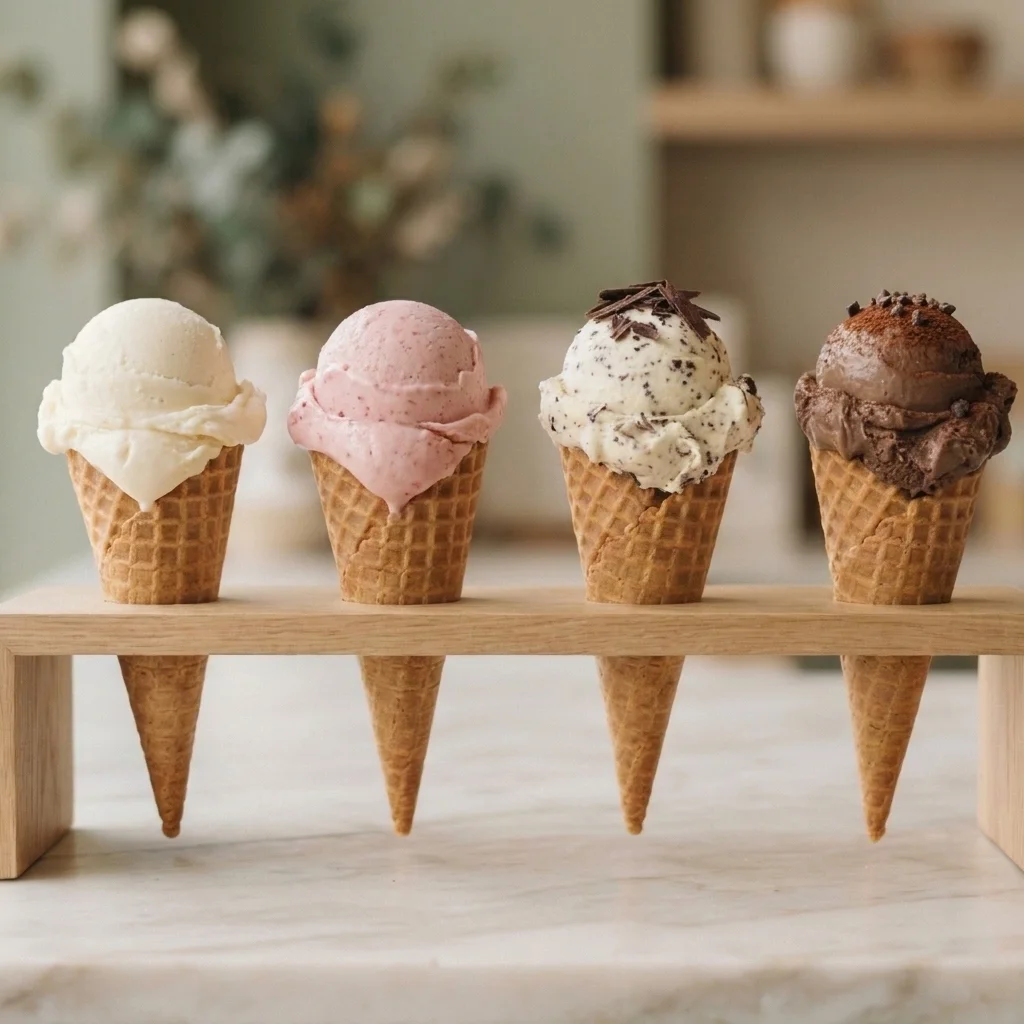
If you love authentic Italian artisanal gelato and have tried making it at home, you have surely encountered this situation: you find a recipe online, but you can’t follow it to the letter because you’re missing a specific ingredient—perhaps you don’t have skimmed milk powder, dextrose, or invert sugar; sometimes simply tweaking a cream percentage turns what should be a luscious fiordilatte into a grainy or icy batch. And you end up with paper, pen, and a calculator, struggling to recalculate everything by hand—turning what should be simple into something that takes hours and years of experience.
I am TheRomanScoop and I created Perfect Gelato to help every lover of homemade Italian gelato with a real-time dosing calculator, dozens of supported ingredients, ready-to-use recipes, in-depth guides, and plenty of advice.
Gelato is not shaved ice or granita: water must be precisely balanced to avoid freezing into coarse crystals—57–64% in milk bases, up to 74% in sorbets.
They control sweetness (POD) and freezing point depression (PAC): 18–24% in creams and up to 34% in fruit sorbets. But it’s not just math—with practice, you’ll fine-tune them to your personal taste.
They provide creaminess and velvety body in dairy bases: from cream, milk, egg yolks, cocoa, or nut pastes. That’s where true texture is made!
Gelato stabilizer, locust bean gum, or guar gum: they bind free water to ensure smooth texture and shelf-life, but never too much or it turns gummy.
Gelato is not shaved ice or granita: water must be precisely balanced to avoid freezing into coarse crystals—57–64% in milk bases, up to 74% in sorbets.
They control sweetness (POD) and freezing point depression (PAC): 18–24% in creams and up to 34% in fruit sorbets. But it’s not just math—with practice, you’ll fine-tune them to your personal taste.
They provide creaminess and velvety body in dairy bases: from cream, milk, egg yolks, cocoa, or nut pastes. That’s where true texture is made!
Gelato stabilizer, locust bean gum, or guar gum: they bind free water to ensure smooth texture and shelf-life, but never too much or it turns gummy.
Many recipes already balanced and calibrated to the gram. Remember: missing invert sugar? Have 50% dark chocolate instead of 70%? No problem—start from the base recipe and tweak it in the calculator to always get a perfect result: scoopable texture, authentic flavor, and flawless stability in the home freezer.
 Milk base
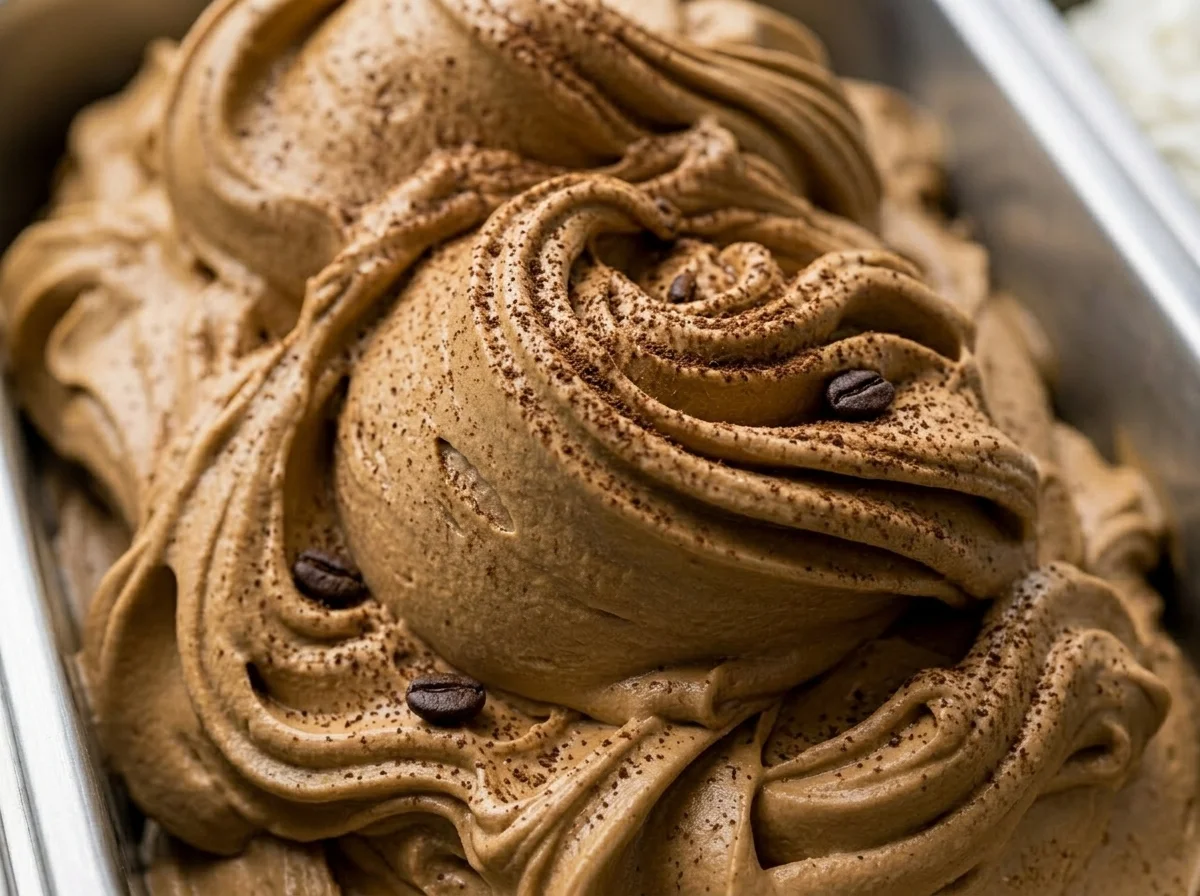
 Every child's forbidden wish was watching grown-ups enjoy the legendary Coppa del Nonno at the bar. This gelato carries a timeless taste of childhood memories, made at home with authentic ristretto espresso for an intense, velvety creaminess.
 Milk base
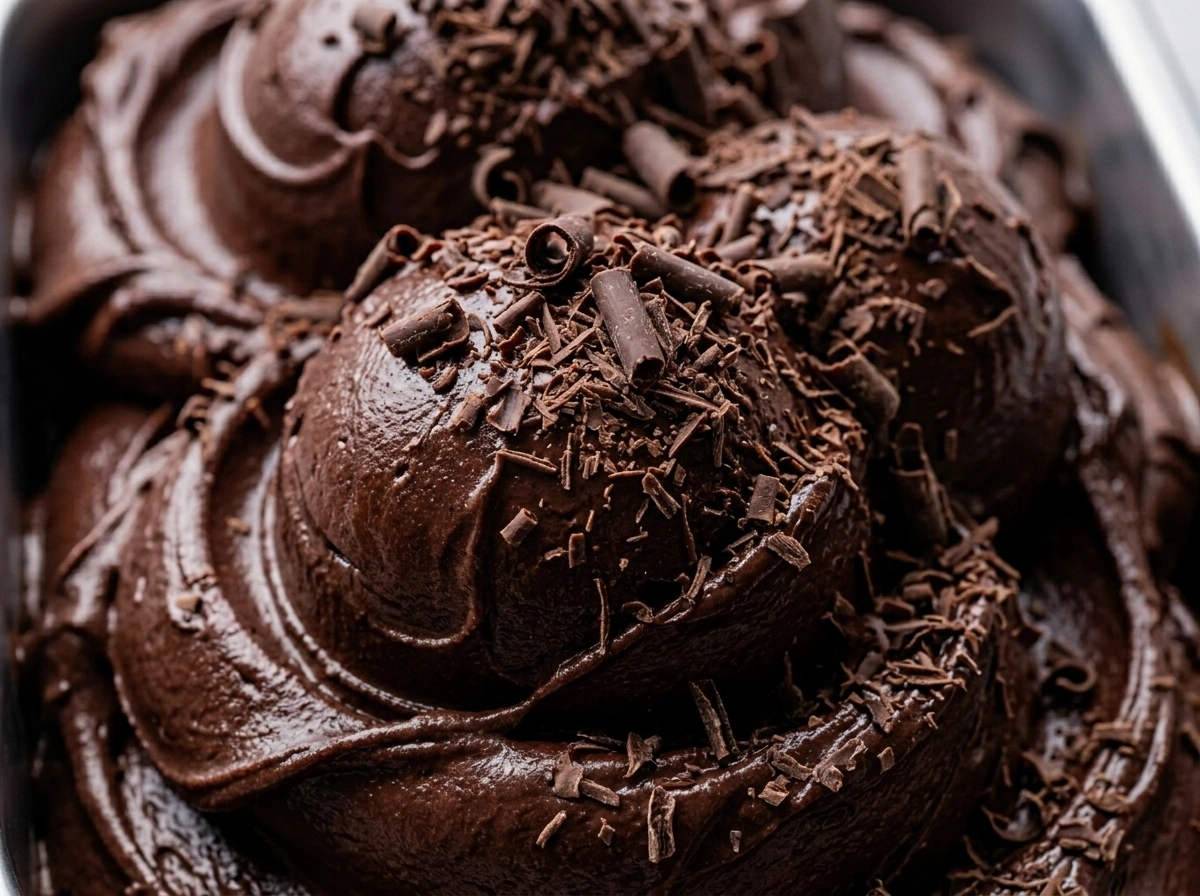
 The undisputed king of the gelato shop is the most beloved flavor of all time; a batch is always in the freezer to delight kids and adults alike.
 Milk base
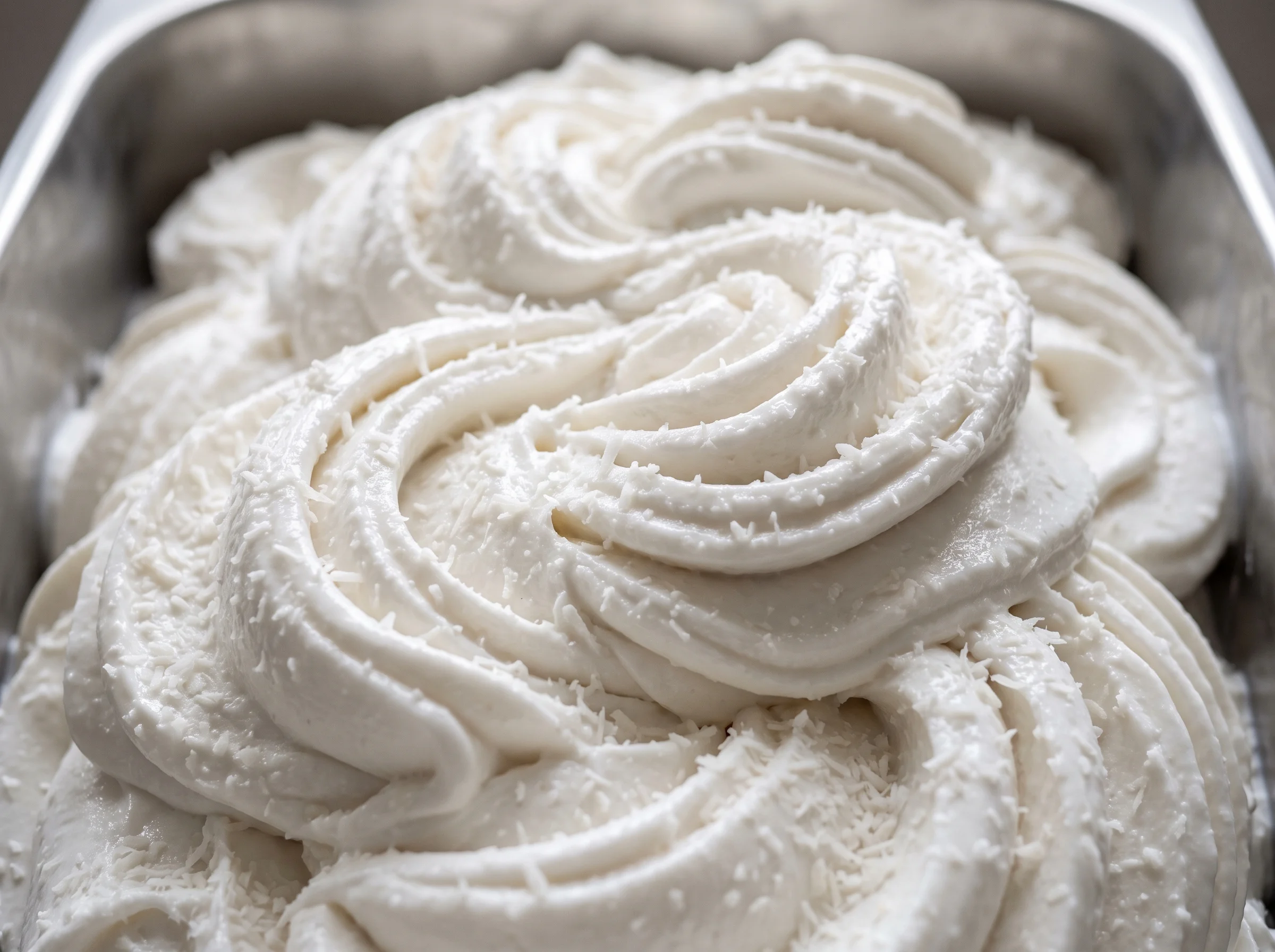
 Either you love it from the first taste or it isn't for you, but one thing is certain: summer isn't complete without a proper coconut gelato, rich with coconut milk and natural pulp.
 Cream (milk / eggs)
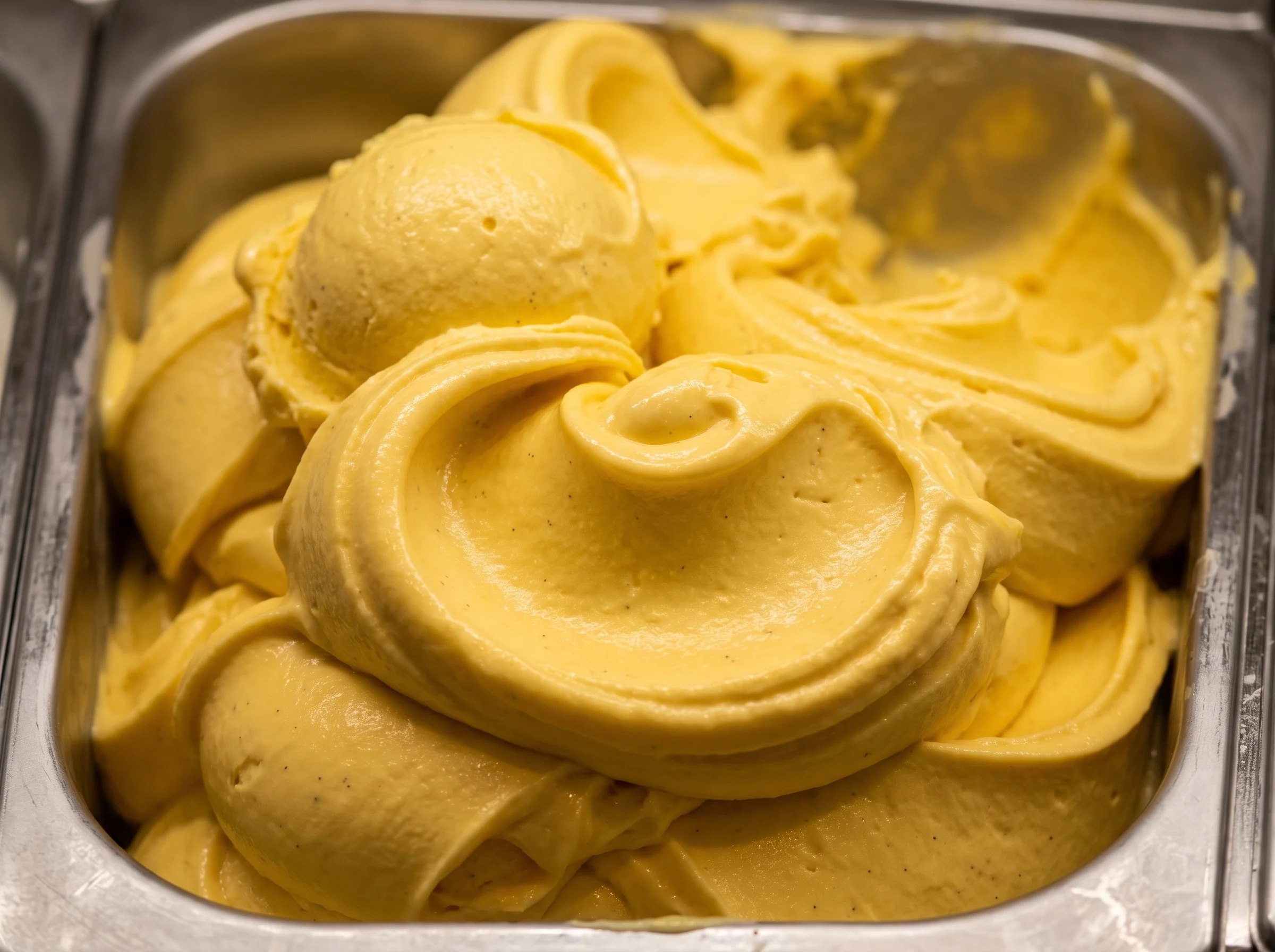
 In Italy, pastry cream is the ultimate litmus test for every aspiring pastry chef. Custard gelato is the heart of Italian tradition: a rich, golden, and velvety egg-based recipe. Perhaps the finest flavor of all.
Always start the day before. The hands-on prep is quick and straightforward—just follow these five essential steps. And as always: experiment, take notes, and find your perfect balance!
Weigh both solids and liquids accurately to the gram. Dry-blend powders (sugars, skim milk powder, stabilizer) together before combining with liquids to avoid clumps.
Pasteurize dairy and egg bases at 82–85 °C. Heat fruit syrups to 65 °C: essential to fully activate and hydrate the stabilizer.
Chill the mixture down to 4 °C (a standard fridge works great if you don’t have a blast chiller). Use an immersion blender to break down fat globules and prep for aging.
Let the mix rest in the fridge at 4 °C for 6–12 hours. Proteins hydrate, fats crystallize, and stabilizers build viscosity. Best practice is to prep the mix the day before churning.
Pour the mix into a pre-chilled gelato maker. Churn until creamy and properly aerated. Enjoy fresh immediately, or firm it up in the freezer depending on your preference.
There are plenty of little secrets you only uncover through experience. Here you’ll find answers to the most common questions when making gelato at home: some more empirical, some more scientific.
Because the right anti-freezing power (PAC) is missing. Sugars lower the freezing point of the mixture and keep it scoopable at −18 °C; if there is too much free water and you don’t use dextrose, ice crystals grow larger and the mass turns rock-hard.
• Milk- and cream-based gelato: 18% to 24% of total weight (180–240 g per kg). • Fruit sorbets: 26% to 34% of total weight. It is important to blend sucrose and dextrose to calibrate both sweetness and freezing point.
• Dextrose is less sweet than sucrose (POD 70) but has almost twice the anti-freezing power (PAC 190). • Skimmed milk powder adds solids and proteins (MSNF) without introducing extra water. • Neutral stabilizer (locust bean gum or guar) binds free water (3–5 g per kg).
Between 6 and 12 hours at 4 °C in a sealed container. This is the physicochemical maturation phase that gives gelato its silky texture. Pouring a cold mix into the gelato maker promotes rapid freezing and the formation of microcrystals.
• POD (Sweetening Power) indicates how sweet the recipe is compared to sucrose (set at 100 as the reference). • PAC (Anti-Freezing Power) measures how much the mix depresses the freezing point and determines the scoopability of the gelato at −18 °C, the typical temperature of a home freezer.
Water, technical sugars, noble fats, milk solids non-fat, stabilizers, and temperatures: this is the complete guide to balancing artisanal gelato. You’ll find conversion tables and optimal ranges for every ingredient.